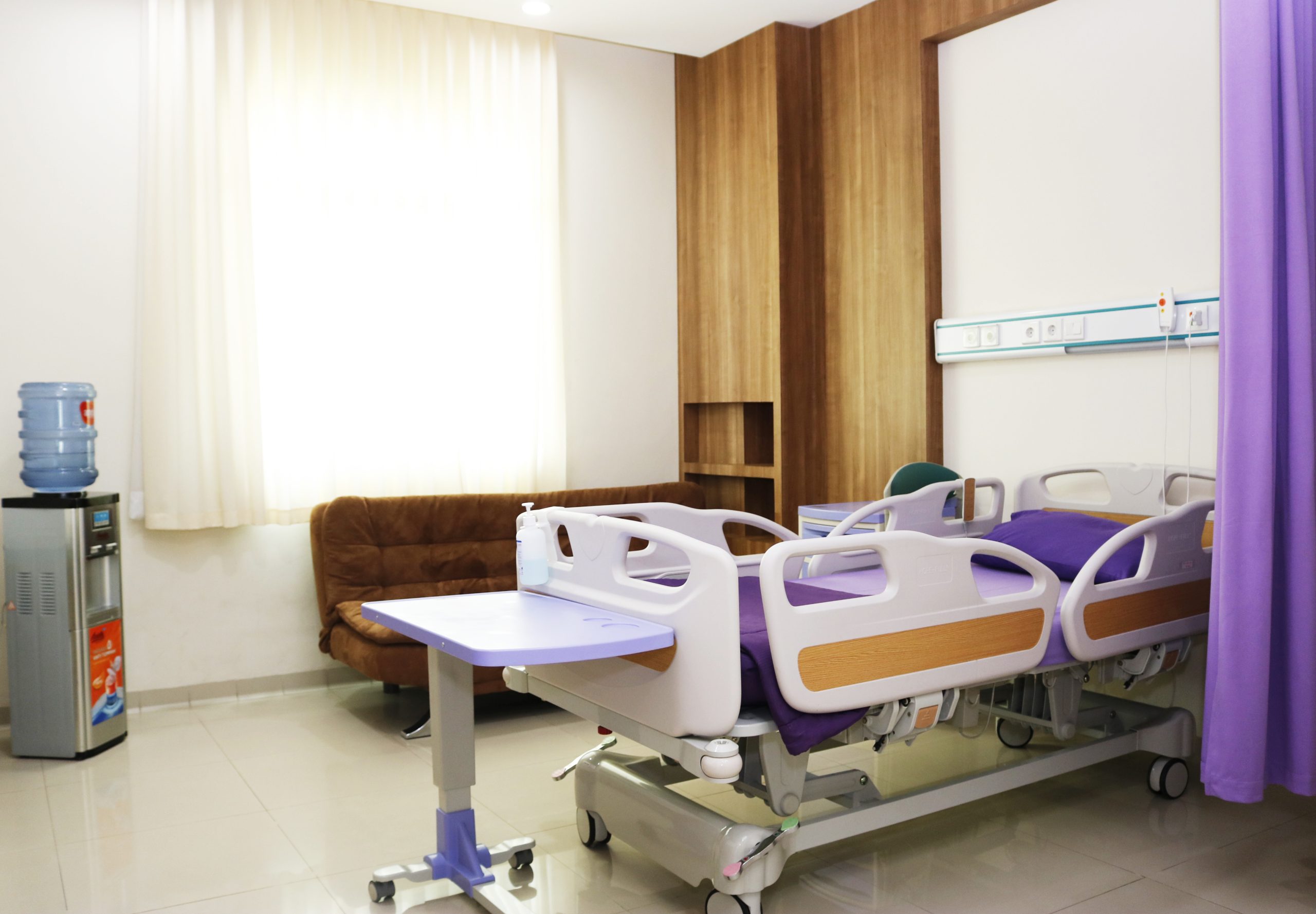
If you’re dreaming of powder-soft sand, turquoise waves, and slow tropical mornings in the Gili Islands, you’re definitely not the only one. But here’s the part most people forget until it suddenly becomes urgent: Gili hospital access. Yep—those “uh-oh” moments when a stomach bug hits or you twist an ankle hopping off a boat. When you’re on a tiny island with no cars and only bicycles, knowing what to expect becomes priceless.
So let’s talk openly, like chatting with a good friend before a trip. Understanding what Gili hospital facilities can and cannot do will help you travel with more confidence, comfort, and peace of mind.
What Healthcare Really Looks Like in the Gili Islands
The Gili Islands—Trawangan, Meno, and Air—are beautiful but small. That means healthcare is limited, though not nonexistent. There are clinics on each island, and although people often call them “Gili hospital,” they’re more similar to urgent-care centers than full hospitals.
Still, don’t underestimate them. These clinics are staffed by trained doctors and nurses who are used to treating travelers. Most health issues that happen on the islands are mild and easy to handle.
I once met a traveler in Gili Trawangan who scraped her knee badly after tipping over her bicycle at night—classic Gili moment. She panicked at first because the cut wouldn’t stop bleeding, but the local clinic cleaned the wound, gave antibiotics, and even wrapped it neatly in under 20 minutes. She walked out relieved, laughing at how scared she’d been just an hour earlier.
What Services Gili Hospital Clinics Actually Provide
Before imagining a multi-floor medical complex, let’s stay grounded. Gili hospital facilities offer services like:
-
Treatment for minor injuries and wounds
-
First aid for cuts, burns, and scrapes
-
Care for stomach issues (yes, “Bali Belly” happens here too)
-
Rehydration therapy
-
Basic medications
-
Blood pressure checks
-
Simple diagnostic tests
-
Oxygen support (in some clinics)
-
Doctor consultations
For the majority of tourists, this is more than sufficient. Most island-related issues involve dehydration, allergies, coral cuts, bike-related falls, snorkeling mishaps, or mild infections.
If you ever need advanced care—like X-rays, surgery, or specialist treatment—you’ll be referred to a hospital in Lombok. That’s normal, and the clinics are prepared to stabilize patients and arrange transport when necessary.
Are Gili Hospital Facilities Reliable in Emergencies?
Short answer: yes—for minor emergencies.
For major ones: expect referral to Lombok.
The island clinics are reliable, responsive, and used to handling all sorts of tourist situations. They know the common patterns: diving ear problems, heatstroke, food poisoning, jellyfish stings, and bike accidents. Their equipment is basic, but their experience is solid.
However, for serious emergencies—fractures, heart issues, complex trauma—time matters. Since the only way out is by boat, weather and waves can affect how fast you can reach Lombok. This is exactly why seasoned travelers always have good travel insurance.
Picture this:
You’re snorkeling near Turtle Point. Everything feels magical—the sunlight shimmering underwater, sea turtles gliding gracefully. Suddenly, your foot grazes sharp coral. It stings. Saltwater burns the cut. You start worrying… until you reach the Gili hospital clinic. They clean it gently, remove tiny coral fragments, apply antibiotics, and you’re back sipping coconut water before the sun sets.
That’s the level of service you can expect—quick, careful, and reassuring.
How Much Does Treatment at a Gili Hospital Cost?
This surprises many travelers. Prices are generally higher than in Indonesian mainland clinics because:
-
Supplies must be transported from outside the islands
-
Medical staff are well-trained and in high demand
-
Operational costs are naturally higher on small islands
Typical price ranges (rough estimates):
-
Consultations: moderate
-
Wound cleaning and dressing: moderate–high
-
Medications: slightly marked up
-
Evacuation to Lombok: varies widely
Nothing is outrageously expensive, but costs add up fast if you need transport or serious care. Travel insurance becomes your best friend in moments like these.
What Happens if You Need Treatment Beyond Gili Hospital Capability?
If your condition requires specialized care, the process usually looks like this:
-
The clinic stabilizes your condition.
-
They contact a partner hospital in Lombok.
-
They arrange boat transfer—either private speedboat or scheduled transport.
-
Once you reach Bangsal Harbor, an ambulance is normally waiting.
It sounds dramatic, but it’s actually efficient. The staff has handled these situations countless times, so coordination is smooth. Locals—boat operators, clinic workers, even guesthouse owners—often work together to help travelers in real emergencies.
Tips to Stay Safe and Avoid Needing the Gili Hospital
After spending months on the islands, and talking with plenty of long-term residents, here are the tips almost everyone agrees on:
1. Drink more water than you think you need.
The Gili sun is intense, and many travelers underestimate dehydration.
2. Wear reef shoes or sandals in the water.
Coral cuts are the number-one reason tourists visit clinics.
3. Use mosquito repellent daily.
The islands are tropical—mosquitoes thrive here.
4. Take stomach issues seriously.
If symptoms persist for more than a day or two, get checked. Better safe than sorry.
5. Don’t cycle in the dark without lights.
It sounds simple, but so many minor accidents happen at night because roads are unlit and sandy.
Why Understanding Gili Hospital Facilities Makes Your Trip Safer
There’s something comforting about knowing what to expect. When you understand how Gili hospital care works, you naturally travel with more ease. You don’t obsess over “what if” scenarios. You feel more prepared, more relaxed, more in control.
And that mental freedom—feeling safe while exploring a new place—makes your whole holiday flow more smoothly.
Sometimes, just having the right information is enough to turn anxiety into confidence.
Gili Hospital as Your Quiet Safety Net
The Gili Islands are unforgettable—vibrant sunsets, gentle waves, coral gardens, late-night beach cafés, and warm, calm energy. But even paradise needs a safety net. That safety net is the Gili hospital network of clinics.
They aren’t full hospitals, but they’re reliable, fast, and more than capable of handling most traveler needs. With the right preparation—hydration, caution, and good insurance—you can explore without fear.
So go enjoy the islands. Feel the sand under your feet. Watch the sunrise shimmer across the ocean. And rest easy knowing that if anything happens, Gili hospital services are there to help you get back on your feet quickly.