Gili Air was supposed to be the chill part of my trip. After a few nights on Gili Trawangan enjoying the nightlife and some mellow days in Lombok, I arrived on Gili Air ready to slow things down—think snorkeling, smoothies, and sunsets.
Everything was perfect until someone collapsed during a morning yoga class next to mine. It wasn’t dramatic, but it was enough to shake the group a bit. The teacher acted fast, and someone called for medical help. What surprised me wasn’t just the help itself—but how quickly it arrived.
I had no idea how effective the island’s ambulance response could be.
Small Island, Big Peace of Mind
When you think of Gili Air, you picture sandy roads, no motorbikes, and maybe the occasional horse cart. It’s beautiful and peaceful—but it’s also remote. So naturally, most travelers (me included) assume that medical response would take a while.
But watching how things were handled that day? Completely changed my mind.
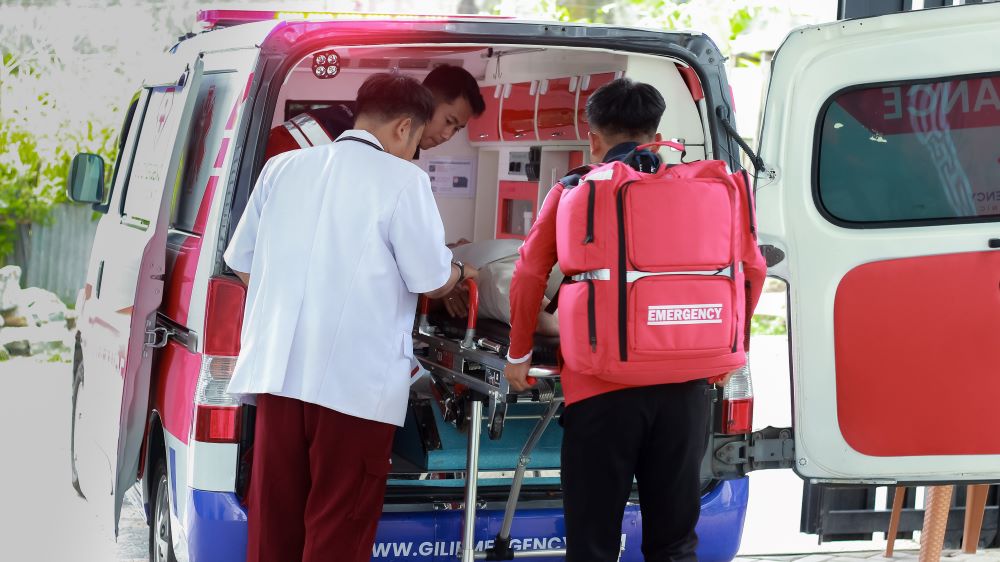
The response crew arrived fast. Like, really fast. They came with a stretcher, basic emergency equipment, and a calm energy that helped everyone breathe easier. It was clearly not their first time dealing with this kind of thing.
Why Ambulance Timing Matters on an Island
You know how sometimes, in places like this, you kind of just hope nothing bad happens? That’s what most people rely on—luck. But luck isn’t a plan.
Out here, where there are no cars and the only way off the island is by boat, ambulance response time is everything. Whether it’s dehydration, an allergic reaction, a minor injury, or something more serious like a diving incident, time matters. A lot.
Having a medical team that knows how to navigate the island quickly and get you safely transferred to more advanced care if needed is what makes travel here feel much more secure.
The Gili Emergency System is More Solid Than You Think
Here’s what I didn’t know before this trip: Gili Air has a trained emergency team on standby that works in sync with clinics, transport services, and hospitals on Lombok. They’re used to responding fast, adapting to the island’s layout, and making sure help gets where it needs to be, quickly and efficiently.
Gili Air ambulance response time has become a key part of how the island manages medical issues—especially considering the number of tourists doing water activities, biking barefoot (guilty!), or just adjusting to a new climate. Fast response means you’re not left panicking or trying to figure things out alone.
It also means families with kids, older travelers, or solo backpackers can explore the island knowing there’s a reliable safety net in place. That sense of backup might not sound sexy, but when you need it, it’s everything.
What I’ll Always Remember
That yoga incident could’ve been much worse—but it wasn’t. And while I never expected to be thinking about ambulances on my island holiday, I’m glad I got a glimpse of how things work behind the scenes.
I walked away feeling reassured that if I ever needed help out here, I wouldn’t be stuck waiting. That kind of speed and coordination isn’t something you find in every remote destination.
So yeah, Gili Air still feels like paradise. Only now, it feels like a paradise that’s also prepared. And that’s the kind of place I’ll keep coming back to—again and again.